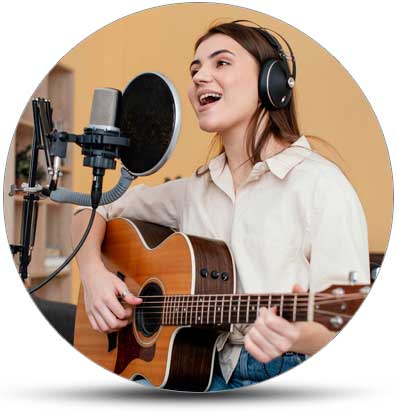
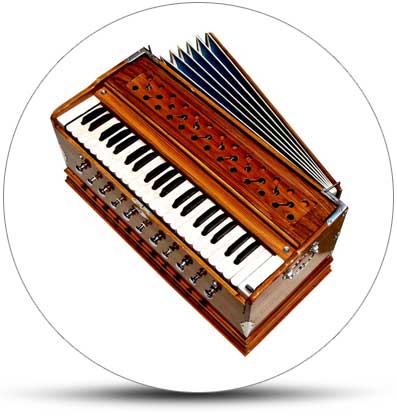
What You Learn in Harmonium Training in Ludhiana, Punjab.
Learning the harmonium is a rewarding experience that allows you to explore the rich tradition of Indian classical music and devotional melodies. At S.S.D. Sangeet Kala Kendra, our harmonium training program is designed to provide a structured and comprehensive learning experience, suitable for beginners as well as advanced students. Our experienced instructors focus on building a strong foundation in music theory, finger techniques, and performance skills.
Key Areas Covered in Harmonium Training:
Introduction to the Harmonium
- Understanding the structure and components of the harmonium (keys, bellows, reeds).
- Proper sitting posture and hand positioning.
Basic Finger Techniques
- Finger placement and movement across the keys.
- Exercises to improve finger strength and agility.
Musical Scales and Notes
- Understanding the concept of Sargam (Sa, Re, Ga, Ma, Pa, Dha, Ni, Sa).
- Learning different scales and their variations.
- Practicing ascending and descending notes.
Raagas and Melodies
- Introduction to Indian classical raagas.
- Learning popular raagas and how to apply them in compositions.
- Playing bhajans, kirtans, and folk songs.
Chords and Harmonization
- Understanding major and minor chords.
- Learning how to combine chords to create harmonies.
- Techniques for smooth chord transitions.
Playing with Taal (Rhythm)
- Introduction to different taals (beats).
- Synchronizing your harmonium playing with tabla or other percussion instruments.
- Maintaining rhythm and tempo.
Improvisation and Expression
- Developing your unique style through improvisation.
- Adding variations and ornamentations to melodies.
- Enhancing emotional expression while playing.
Performance Skills
- Building confidence for solo and group performances.
- Understanding stage presence and audience engagement.
- Managing mistakes and recovering smoothly during a performance.
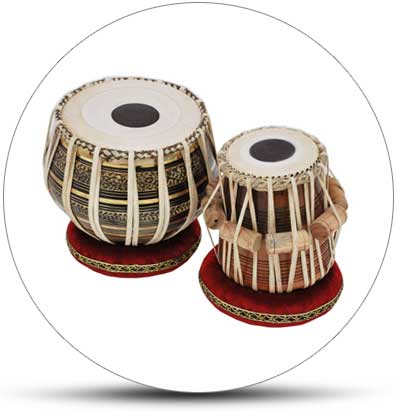
What You Learn in Tabla Training in Ludhiana, Punjab.
Learning the tabla is a journey into the heart of rhythm and classical Indian percussion. At S.S.D. Sangeet Kala Kendra, our tabla training program is designed to help students of all levels—beginners, intermediate, and advanced—develop a deep understanding of rhythm, technique, and performance. Our experienced instructors provide step-by-step guidance, ensuring that you build a strong foundation and grow into a confident and skilled tabla player.
Key Areas Covered in Tabla Training:
Introduction to Tabla
- Understanding the structure of the tabla (Dayan and Bayan).
- Learning the correct way to sit and position your hands.
- Familiarization with different parts of the tabla and their sounds.
Basic Hand Techniques
- Finger and hand positioning.
- Developing clarity and strength in producing different sounds.
- Practicing basic strokes (Taa, Na, Tin, Dha, Dhin, Ge, Ka, etc.).
Bol (Syllable) Practice
- Learning to combine different bols to create rhythmic patterns.
- Developing consistency and speed in playing bols.
- Understanding the tonal variations of each bol.
Taal (Rhythmic Cycle) Mastery
- Introduction to common taals such as Teentaal, Jhaptal, Ektal, and Rupak Tal.
- Understanding the structure of taals (Matra, Vibhag, and Sam).
- Practicing keeping the rhythm steady with tabla accompaniment.
Kaida, Rela, and Tukda
- Learning and practicing Kaida (theme-based rhythmic patterns).
- Developing Rela (fast-paced patterns) and improving hand agility.
- Exploring Tukda (short rhythmic compositions) for embellishments.
Theka (Basic Groove) Development
- Understanding theka as the foundation of rhythmic accompaniment.
- Practicing various thekas for classical and light music.
- Adapting theka to different musical styles.
Improvisation and Composition
- Creating your own rhythmic patterns.
- Developing variations and exploring creativity.
- Experimenting with tempo and dynamics.
Performance Skills
- Playing tabla as a solo instrument and in accompaniment.
- Maintaining rhythm and timing in a live performance.
- Techniques for stage presence and audience engagement.
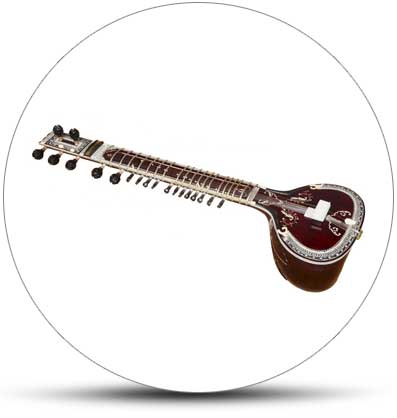
What You Learn in Sitar Training in Ludhiana, Punjab.
Learning the sitar is a profound journey into the rich heritage of Indian classical music. At S.S.D. Sangeet Kala Kendra, our sitar training program is designed to provide students with a strong foundation in technique, raagas, and performance skills. Whether you are a beginner or an advanced player, our experienced instructors will guide you through every step of your musical journey, helping you master the intricate nuances of sitar playing.
Key Areas Covered in Sitar Training:
Introduction to the Sitar
- Understanding the structure and components of the sitar (strings, frets, gourd, and tuning pegs).
- Learning proper posture and hand positioning.
- Tuning the sitar using traditional methods.
Basic Finger Techniques
- Developing correct finger placement and pressure.
- Practicing Meend (glide), Gamak (oscillation), and Krintan (cutting notes).
- Improving dexterity and strength through regular practice.
Sargam (Musical Notes) and Scales
- Learning the basic Sargam (Sa, Re, Ga, Ma, Pa, Dha, Ni, Sa).
- Practicing ascending and descending scales.
- Developing speed and precision in note transitions.
Raagas and Their Structure
- Understanding the concept of raagas and their emotional expression.
- Learning popular raagas such as Yaman, Bhairav, Bageshree, and Darbari.
- Exploring the time theory of raagas and their appropriate playing times.
Alap, Jor, and Jhala
Alap – Slow and melodic introduction to a raaga.
Jor – Adding rhythm to the melody with gradual tempo increase.
Jhala – Fast-paced conclusion of the raaga with rhythmic intensity.
Taal (Rhythmic Cycle) Integration
- Synchronizing sitar playing with tabla accompaniment.
- Understanding common taals such as Teentaal, Ektaal, and Jhaptal.
- Developing the ability to maintain tempo and rhythm.
Improvisation and Expression
- Developing your unique playing style.
- Experimenting with different raaga combinations.
- Enhancing emotional expression and artistic flair.
Composition and Performance Skills
- Learning how to create and arrange sitar compositions.
- Understanding stage presence and audience engagement.
- Preparing for solo and group performances.
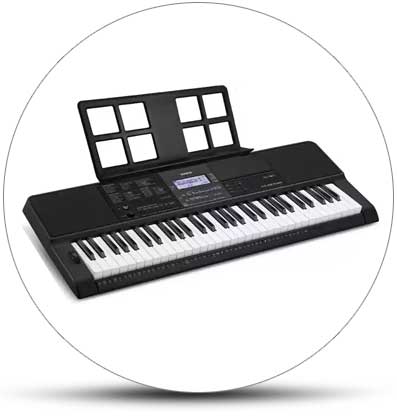
What You Learn in Casio Keyboard Training in Ludhiana, Punjab.
Learning to play the Casio keyboard is a fun and rewarding experience that opens the door to a wide range of musical styles, from classical to contemporary. At S.S.D. Sangeet Kala Kendra, our Casio keyboard training program is designed to help students of all levels—beginners, intermediate, and advanced—develop essential skills in music theory, technique, and performance. Our experienced instructors provide personalized guidance to ensure that you master the keyboard with confidence and creativity.
Key Areas Covered in Casio Keyboard Training:
Introduction to the Casio Keyboard
- Understanding the layout of the keyboard (keys, octaves, and controls).
- Learning about tones, rhythms, and sound effects available on the Casio keyboard.
- Setting up the keyboard for practice and performance.
Basic Finger Techniques
- Proper finger positioning and hand posture.
- Learning finger numbering for smooth transitions.
- Practicing scales and exercises to build finger strength and flexibility.
Music Theory and Notation
- Learning to read sheet music and musical symbols.
- Understanding time signatures, key signatures, and dynamics.
- Exploring chords, arpeggios, and harmonic progressions.
Scales and Chords
- Mastering major and minor scales.
- Building major, minor, diminished, and augmented chords.
- Learning how to combine chords to create harmonious melodies.
Playing Techniques and Styles
- Exploring different styles like classical, jazz, pop, and rock.
- Practicing legato (smooth) and staccato (short) playing techniques.
- Using the sustain pedal to enhance sound quality.
Rhythms and Beats
- Understanding and using built-in rhythm patterns.
- Learning how to play along with different beats and tempos.
- Syncing your playing with drum patterns and auto-accompaniment.
Melody and Song Playing
- Learning to play famous songs and compositions.
- Combining melody and chords to create a full sound.
- Understanding how to modify songs to suit your style.
Improvisation and Creativity
- Developing your own playing style.
- Creating new melodies and experimenting with chord progressions.
- Learning how to use built-in effects to enhance creativity.
Performance and Stage Skills
- Building confidence to perform solo or in a group.
- Managing stage presence and handling performance pressure.
- Learning how to engage and connect with the audience.
What You Learn in Guitar Training in Ludhiana, Punjab.
Learning to play the guitar is an exciting and rewarding experience that allows you to express yourself through music. At S.S.D. Sangeet Kala Kendra, our guitar training program is designed to help students of all levels—beginners, intermediate, and advanced—develop strong technical skills, musical understanding, and creative confidence. Our experienced instructors provide structured lessons that cover both the theoretical and practical aspects of guitar playing, helping you to master different styles and techniques.
Key Areas Covered in Guitar Training:
Introduction to the Guitar
- Understanding the parts of the guitar (frets, strings, tuning pegs, bridge, and pickups).
- Learning how to hold and tune the guitar properly.
- Getting familiar with acoustic and electric guitars.
Basic Finger Techniques
- Developing finger strength and flexibility.
- Learning proper finger placement on the fretboard.
- Practicing picking and strumming techniques.
Music Theory and Notation
- Understanding musical notes and tablature (tabs).
- Learning to read chord charts and lead sheets.
- Exploring scales, intervals, and harmonies.
Chords and Progressions
- Mastering basic open chords (C, G, D, E, A) and bar chords.
- Learning major, minor, diminished, and seventh chords.
- Creating smooth chord transitions and progressions.
Strumming and Picking Techniques
- Developing different strumming patterns for various styles.
- Learning alternate picking, fingerpicking, and palm muting.
- Practicing dynamic control and rhythmic accuracy.
Melody and Solo Playing
- Learning how to play single-note melodies.
- Practicing scale patterns and arpeggios.
- Developing bending, sliding, hammer-ons, and pull-offs.
Rhythm and Timing
- Understanding time signatures and rhythm patterns.
- Learning how to play along with a metronome or backing track.
- Developing syncopation and rhythmic precision.
Playing Styles and Genres
- Exploring different genres like rock, blues, jazz, pop, classical, and folk.
- Adapting techniques to suit each musical style.
- Learning famous riffs and songs from different genres.
Improvisation and Composition
- Creating your own melodies and solos.
- Developing a personal playing style.
- Experimenting with chord voicings and scale patterns.
Performance and Stage Presence
- Building confidence to play in front of an audience.
- Learning how to connect with the audience through music.
- Managing stage anxiety and handling performance pressure.

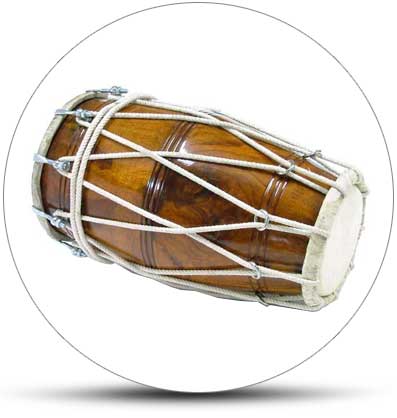
What You Learn in Dholki Training in Ludhiana, Punjab.
Learning the dholki is an exciting way to explore the rich traditions of Indian folk and classical percussion. At S.S.D. Sangeet Kala Kendra, our dholki training program is designed to help students of all skill levels—beginners, intermediate, and advanced—develop a deep understanding of rhythm, hand techniques, and performance skills. Our experienced instructors provide personalized guidance to ensure you master the art of dholki playing with confidence and precision.
Key Areas Covered in Dholki Training:
Introduction to the Dholki
- Understanding the structure and components of the dholki (heads, shell, tuning bolts).
- Learning how to hold and position the dholki correctly.
- Familiarizing yourself with the different tones produced by the two drum heads.
Basic Hand Techniques
- Developing correct hand positioning and finger movement.
- Practicing basic strokes like Na, Tin, Dha, and Ge.
- Building strength and flexibility for faster playing.
Taal (Rhythmic Cycles) Mastery
- Learning common taals such as Keherwa, Dadra, Bhajani, and Teen Taal.
- Understanding the structure of each taal (Matra, Vibhag, and Sam).
- Practicing how to maintain a steady rhythm while playing.
Theka (Basic Groove) Development
- Learning traditional thekas for different styles of music.
- Understanding how to modify theka to match different tempos and moods.
- Practicing variations and complex patterns within a theka.
Kaida, Tukda, and Rela
- Developing Kaida (structured rhythmic patterns) for creativity and flow.
- Learning Tukda (short rhythmic phrases) to enhance musical expression.
- Practicing Rela (fast-paced patterns) for speed and control.
Improvisation and Composition
- Creating your own rhythmic patterns.
- Developing variations within a taal structure.
- Experimenting with tempo and dynamics to create a unique playing style.
Playing with Other Instruments
- Learning how to accompany other instruments like harmonium, tabla, and sitar.
- Developing the ability to sync with live music and vocal performances.
- Understanding call-and-response techniques.
Performance and Stage Presence
- Building confidence to play solo or in a group.
- Learning how to handle mistakes and recover smoothly during a performance.
- Understanding how to engage with the audience and other musicians.
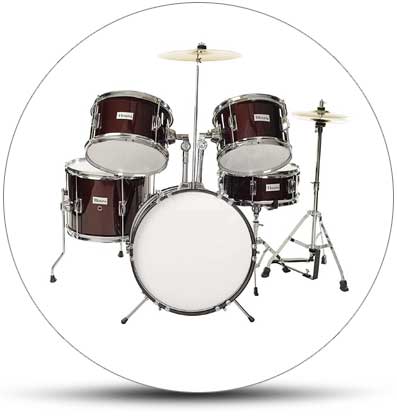
What You Learn in Drum Set Training in Ludhiana, Punjab.
Learning to play the drum set is an exciting journey into the world of rhythm, coordination, and musical expression. At S.S.D. Sangeet Kala Kendra, our drum set training program is designed to help students of all levels—beginners, intermediate, and advanced—develop essential drumming skills and musical understanding. Our experienced instructors provide step-by-step guidance to help you master the techniques, patterns, and performance skills needed to become a confident and versatile drummer.
Key Areas Covered in Drum Set Training:
Introduction to the Drum Set
- Understanding the parts of the drum set (bass drum, snare drum, toms, hi-hat, crash, and ride cymbals).
- Learning how to set up and tune your drum set.
- Correct sitting posture and stick grip for comfort and control.
Basic Drumming Techniques
- Mastering single and double-stroke rolls.
- Developing stick control and hand-foot coordination.
- Learning proper rebound and stick positioning for fluid playing.
Reading Drum Notation
- Understanding drum sheet music and rhythmic symbols.
- Learning time signatures, note values, and rests.
- Practicing rhythmic patterns and fills.
Basic and Advanced Rudiments
- Practicing rudiments like paradiddles, flams, drags, and rolls.
- Developing speed and consistency in rudiment execution.
- Combining rudiments into creative fills and patterns.
Rhythmic Patterns and Grooves
- Learning basic grooves in rock, pop, jazz, and funk styles.
- Developing syncopation and dynamic control.
- Practicing rhythm variations and complex time signatures.
Coordination and Independence
- Developing hand and foot coordination.
- Practicing limb independence to play complex patterns.
- Learning how to maintain steady tempo while playing different rhythms.
Drum Fills and Transitions
- Learning how to create smooth and dynamic drum fills.
- Practicing transitions between different sections of a song.
- Developing the ability to improvise drum fills.
Playing with a Band
- Learning how to keep time and provide a solid rhythmic foundation.
- Understanding how to complement other instruments in a band setting.
- Practicing dynamics and volume control to match the band's energy.
Improvisation and Soloing
- Developing your own drumming style.
- Creating unique rhythmic patterns and fills.
- Learning to perform creative and expressive drum solos.
Performance and Stage Skills
- Building confidence for live performances.
- Learning how to engage the audience and maintain stage presence.
- Managing tempo and rhythm under performance pressure.
What You Learn in Vocal Singing Training in Ludhiana, Punjab.
Learning to sing is a powerful and expressive journey that allows you to unlock your true voice and connect deeply with music. At S.S.D. Sangeet Kala Kendra, our vocal singing training program is designed to help students of all levels—beginners, intermediate, and advanced—develop strong vocal technique, musicality, and confidence. Our experienced instructors provide structured and personalized training to help you master the art of singing across various genres and styles.
Key Areas Covered in Vocal Singing Training:
Breathing Techniques and Vocal Control
- Learning proper breathing techniques to support your voice.
- Developing breath control for sustained and powerful singing.
- Practicing diaphragmatic breathing to improve tone and projection.
Pitch and Tone Development
- Understanding how to identify and match pitches accurately.
- Developing a rich and balanced vocal tone.
- Practicing vocal warm-ups and exercises to improve pitch accuracy.
Scales and Sargam (Indian Classical Notes)
- Learning basic and advanced scales to develop vocal range.
- Practicing Sargam (Sa, Re, Ga, Ma, Pa, Dha, Ni, Sa) for flexibility and control.
- Developing the ability to transition smoothly between notes.
Voice Modulation and Dynamics
- Understanding the importance of loudness and softness in singing.
- Learning how to add emotion and expression through modulation.
- Practicing how to switch between head voice, chest voice, and mixed voice.
Pronunciation and Articulation
- Developing clarity in pronunciation while singing.
- Learning how to maintain consistent tone while articulating lyrics.
- Practicing consonant and vowel balance for smoother delivery.
Song Interpretation and Expression
- Understanding the meaning and emotion behind the song.
- Learning how to deliver a convincing and heartfelt performance.
- Adding personal style and emotional depth to your singing.
Raga and Classical Techniques (For Indian Classical Singing)
- Learning basic ragas and their emotional expressions.
- Practicing Alap, Taans, and Sargam variations.
- Developing the ability to improvise within a raga structure.
Harmony and Vocal Blending
- Learning how to harmonize with other singers.
- Practicing blending and balancing vocal parts in a group.
- Understanding how to maintain your part while harmonizing.
Performance and Stage Presence
- Building confidence to perform in front of an audience.
- Learning how to use a microphone and project your voice on stage.
- Developing stage presence and emotional connection with the audience.
Improvisation and Creativity
- Learning how to create vocal runs and ornamentations.
- Experimenting with different styles and genres.
- Developing your own singing style and artistic identity.